Marriage could be a pretty simple affair in nomadic Central Asia. A guy spotted a girl who interested him, rounded up some buddies to help and kidnapped her off the streets or wherever she could be found unprotected (washing clothes in a river, for example.) The union was consummated as soon as possible, by force if the bride was uncooperative, et voila. They were married.
The girl’s parents might even have been in on the deal, waiting at home with a houseful of banquet guests to greet the triumphant bridegroom and miserable bride and usher them off to the bedroom asap. Resistance was rare because it brought shame on the whole family. The victim was a wife, like it or not.
Today, bride kidnapping is outlawed in every Stan, but it persists, especially in rural areas, where prevalence is estimated as high as 30% in some areas. Ironically, the practice has increased since the end of Soviet rule, especially in the 21st century, under the guise of reviving nomadic traditions the Soviets squelched. It is rarely policed or punished because of the shame factor.
One beauty of traveling an unfamiliar region with your own personal guide as we did in Central Asia is you get a local expert to scratch any curiosity itch you have all day long. Naturally, we asked every one of our five male and four female guides about the kidnapping tradition (which, btw, does exist in other countries though not as widely as in the Stans). They all conceded it still goes on, even in cities, where it is sometimes a sham used by a romantic couple to get around parental objection or bride price.
Activists consistently agitate for the government to crack down on what can boil down to legitimized rape. In Kyrgyzstan, for example, kidnapping theoretically carries a prison sentence of up to seven years. In practice? Laws are rarely enforced, and the practice goes on. Tradition dies hard.

Among the incentives for kidnapping is that it is economical compared with conventional marriage. (Couples basically never live together and are expected to refrain from sex until they wed, a motive to marry if ever there was one.)
Every city we visited had a wedding boulevard lined with towering all-in-one marriage halls used for almost nothing else. Couples are expected to invite just about everyone they’ve ever laid eyes on to the big day, a tradition so expensive that parents often start saving for the wedding at a child’s birth.

Every country has enacted laws or policies to control the expense of these extravaganzas by capping the number of wedding guests, the duration of the wedding celebrations, the number and size of wedding meals, the number of cars in the wedding procession and how many animals can be slaughtered for wedding feasts, among others. These restrictions apparently are policed about as vigorously as laws against bride kidnapping.
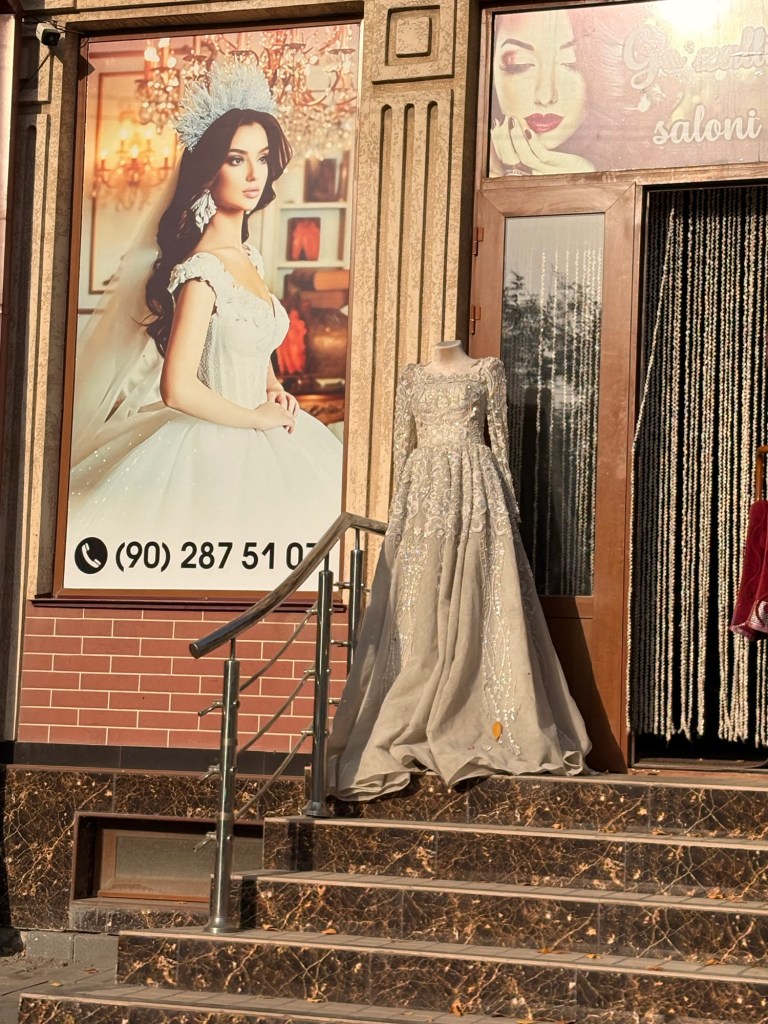
Some expensive traditions are waning on their own. In Uzbekistan, brides traditionally wore a different dress every day for 40 days before the wedding day. The bridegroom’s family inspected the wardrobe before the fashion show began and agreed to the marriage only after the clothing — and thus the bride — was deemed good enough for their son.
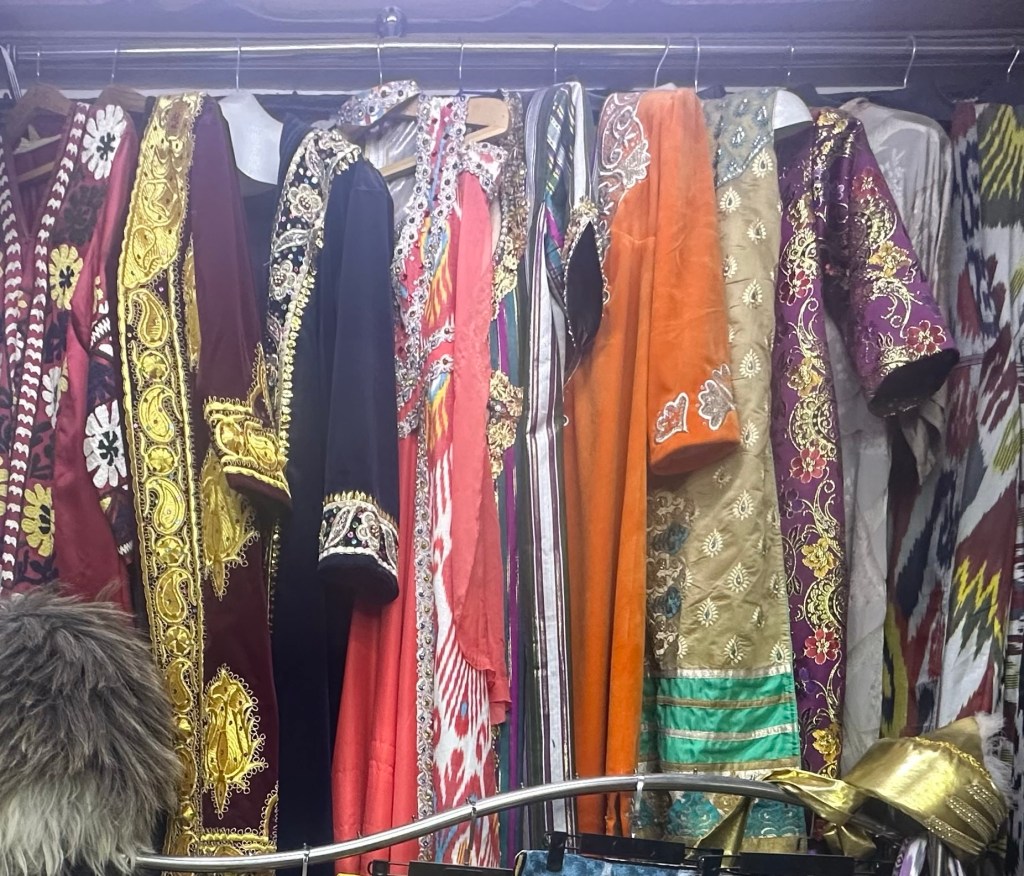
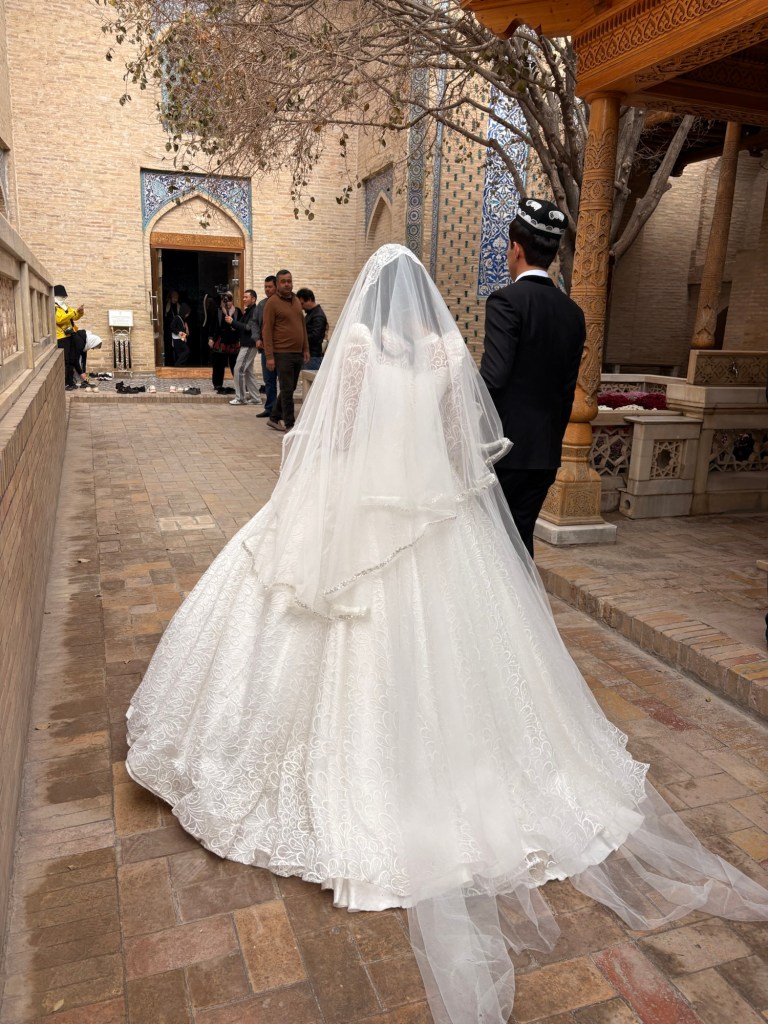
This dress requirement has been pared to a modest 10 or 12 dresses these days, and hand-me-downs are acceptable, but that’s still a lot of shopping. Then the big day arrives, and the bride wears an extravagant traditional bridal dress for the morning ceremony and an equally extravagant white Western gown for the afternoon ceremony.

But the nuptials are not the biggest cost of marriage for brides because the price often involves moving in with the mother-in-law. In all the Stans, it is customary for one of the family’s sons (usually the youngest though not necessarily) to stay with the parents until their death. That means when he marries, his wife stays with them, too.
This may be a great built-in arrangement for elder care and child care, but brides basically become vassals to moms-in-law, even when the wife is highly educated and employed. Predictably, marital bliss is endangered, and divorce can ensue. Divorced women may remarry without prejudice, but then there’s a new mother-in-law to contend with.
Foreseeing such problems, one of our guides, still single at 27 (acceptable for a man but eyebrow-raising or deal-breaking for a woman) responded to his mother’s pressure to marry by telling her she could arrange a marriage for him and move the bride into her home, but he wouldn’t be joining them. He wanted to pick his own wife and live independently. That seemed to have settled the matter for him. For most young adults in the Stans, tradition wins the argument.
Your Questions Answered
Sharon asked: “What would life be like for a young girl going to school in one of these countries?”
Interestingly, people in every Stan told us the best thing about the Soviet takeover in 1920 was that girls finally were educated. Now more than a hundred years later, girls always go to elementary and high school, and many go to college or university, even in remote villages and religiously conservative Tajikistan.
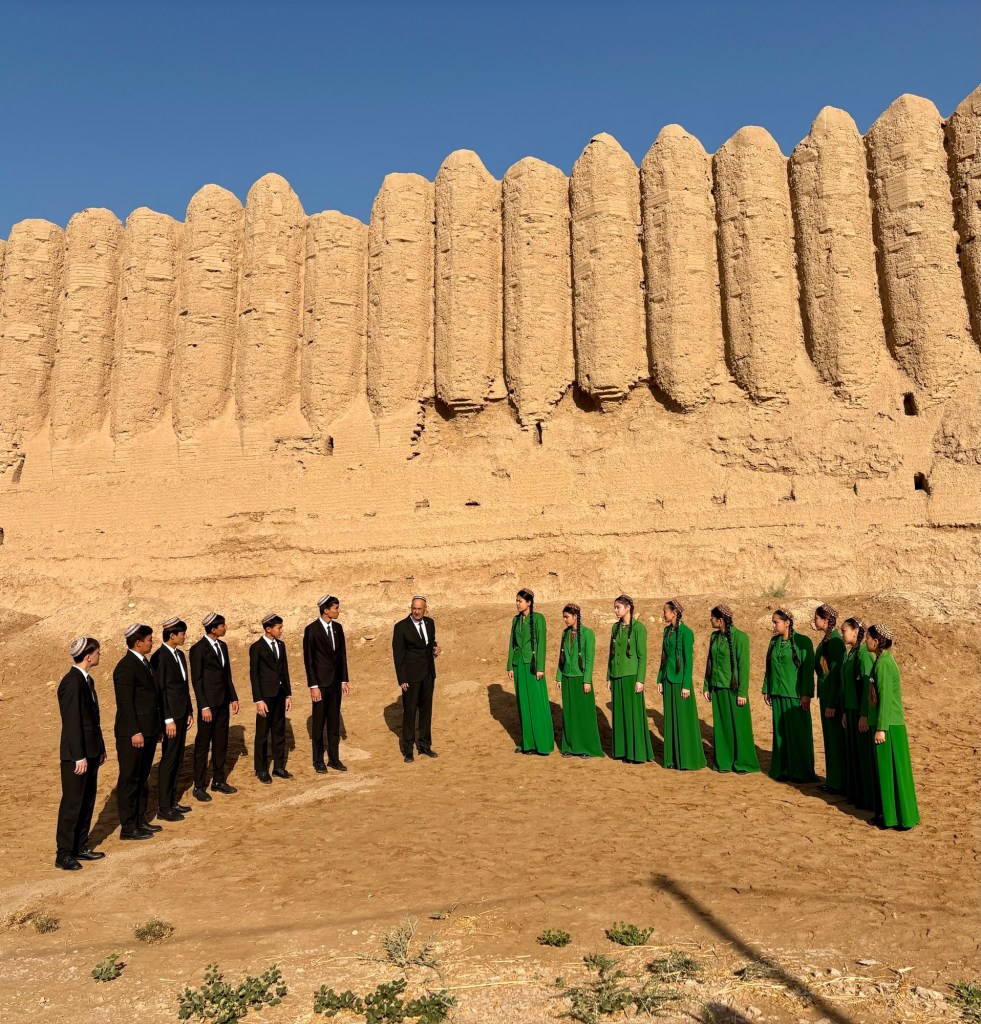
Women hold important and high-paying jobs. Though the specifics vary by country, guaranteed maternity leave is universal, and women don’t risk their jobs when they stay home with a new baby. In all the countries, most women wear Western dress or traditional non-religious clothing.
Mother-in-law submission is hard to reconcile with all this apparent modernity, but no matter how many ways we asked the question, our women guides shrugged and said that’s the way it’s always been done so it seems normal. The only exception was the one woman who said she married her husband on the condition that he move in with her mother instead of the other way around.
COMING SOON! The Leftovers Buffet

 Partout with Louis & Doris
Unbelievable. The things you learn and share are remarkable and fascinating! I’m behind in reading your missives but look forward to reading each one.
What a trip!
LikeLike
Great story and a good example of the do’s and don’ts from tradition and mother in laws.
LikeLike
great edition of Partout! If you haven’t seen the Oscar nominated short film called Take and Run, add it to your list — it’s the story of a kidnapped bride in modern Kyrgyzstan. https://m.imdb.com/title/tt7914938/?ref_=ext_shr_lnk
LikeLike
Oh, wow! Great tip. Thank you, David!
LikeLike
So glad I didn’t have to live with my mother-in-law!
LikeLiked by 1 person
😂😂😂
LikeLike
As always, pure brilliance and delight. Look so forward to seeing you two at movie night!
LikeLiked by 1 person