We hadn’t been long in our first Stan when Louis told Doris, “Now you don’t have to go to Russia! You’re already there!” And so it seemed.
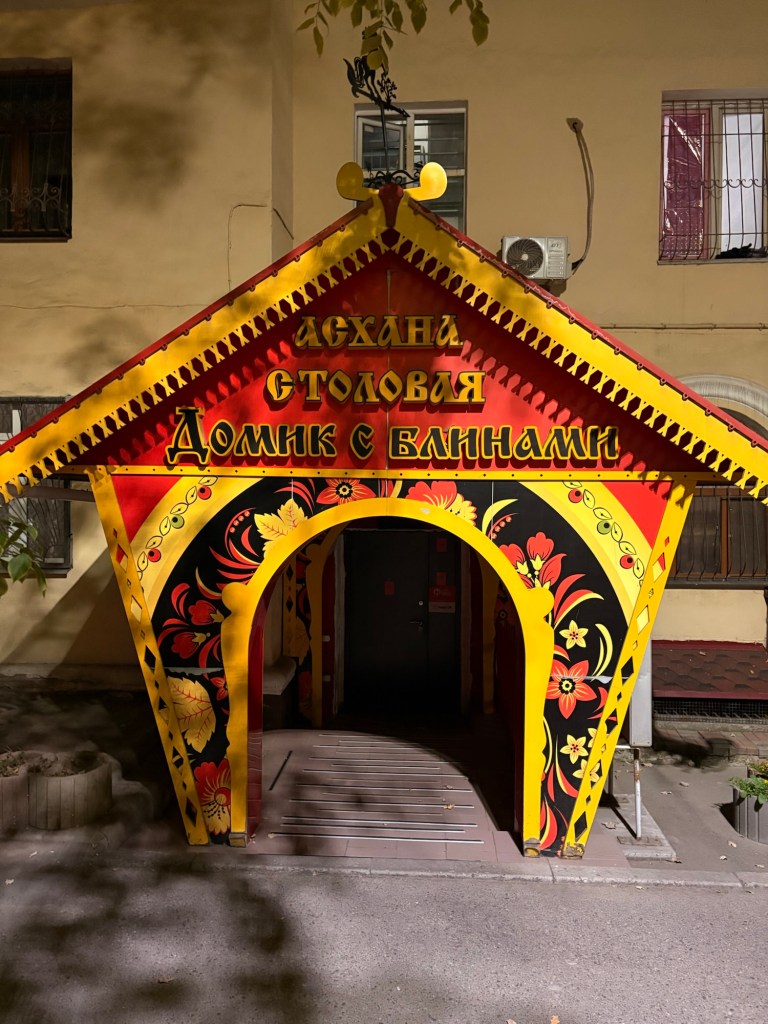
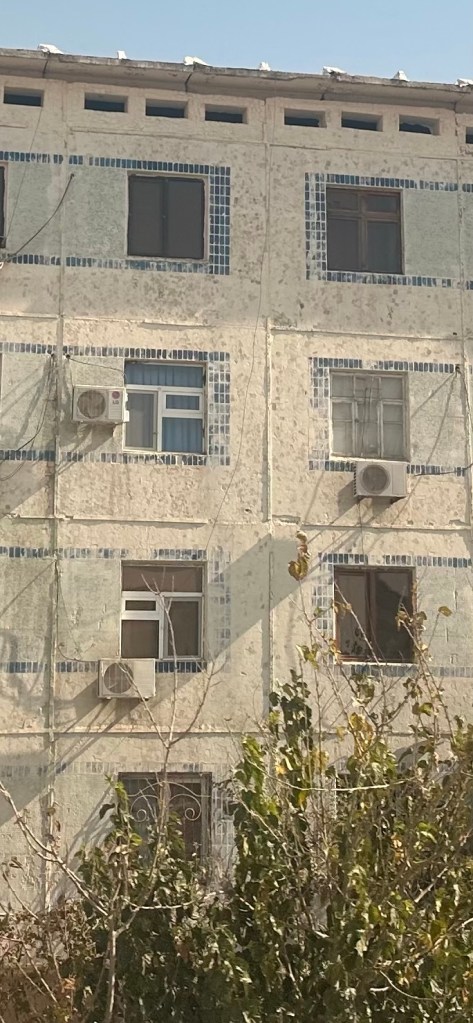
We saw statues of Lenin in every country and Soviet Brutalism, Monumentalism and just plain Bad Constructionism in buildings everywhere.
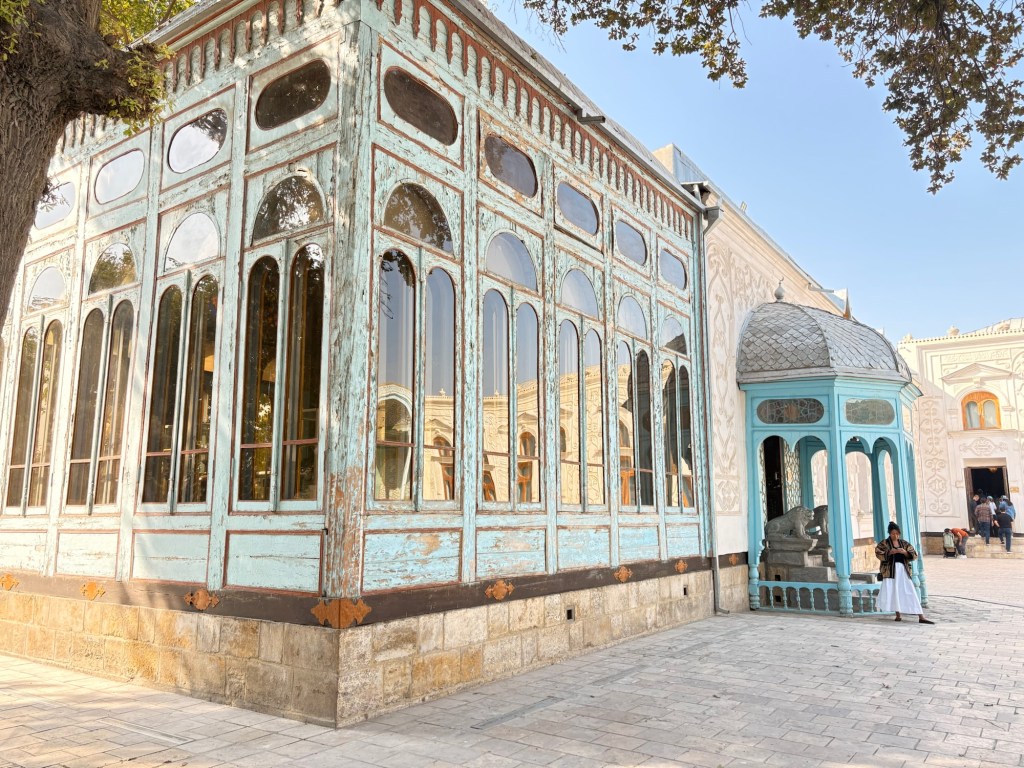
Czarist traces also abounded. The Romanov Palace built in Tashkent for an exiled first cousin (once removed) of the ill-fated czar Nicholas II and the summer palace of the last emir of Bukhara felt straight out of “From Russia With Love.”
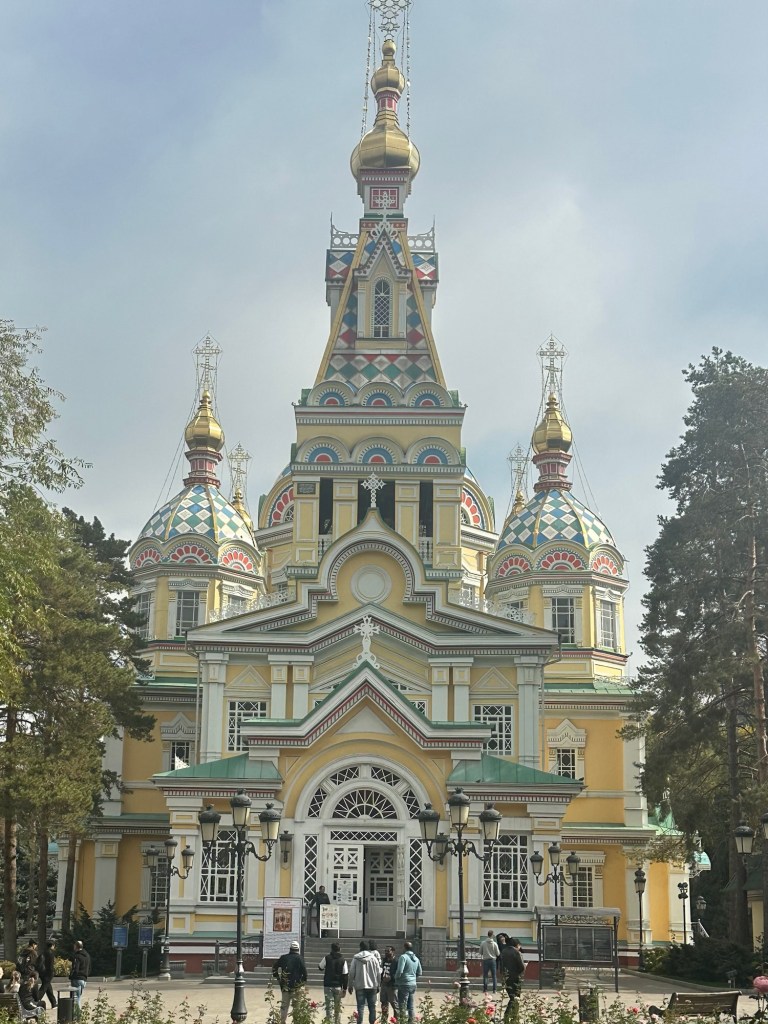
Beautiful Russian Orthodox churches still serve the Russian Orthodox faithful, who are not in short supply.
There are Russian tourists and descendants of Russians who ended up in the Stans for one reason or another. The grandmother of our ethnic Russian guide in Bukhara was deported from Crimea to Germany as a 13-years-old to work in a factory during WWII. When the war ended, Russia dumped her and countless others in Central Asia. She and her descendants have never left.

Just as American platforms and products flow freely over the border to Canada (or used to), so Russian YouTube, Russian movies and Russian music pour into the Stans. There’s Russian Yandex Go, an Uber knockoff, on the streets, and Telegram, a state-supported WhatsApp knockoff, on the cell phones.
And why not? Virtually everyone speaks Russian under 1 in 20 people speak English. Only Kazakhstan and Uzbekistan have officially replaced Russian with their own Turkic languages and largely removed Russian from public education. Everywhere is, Russian is the default.
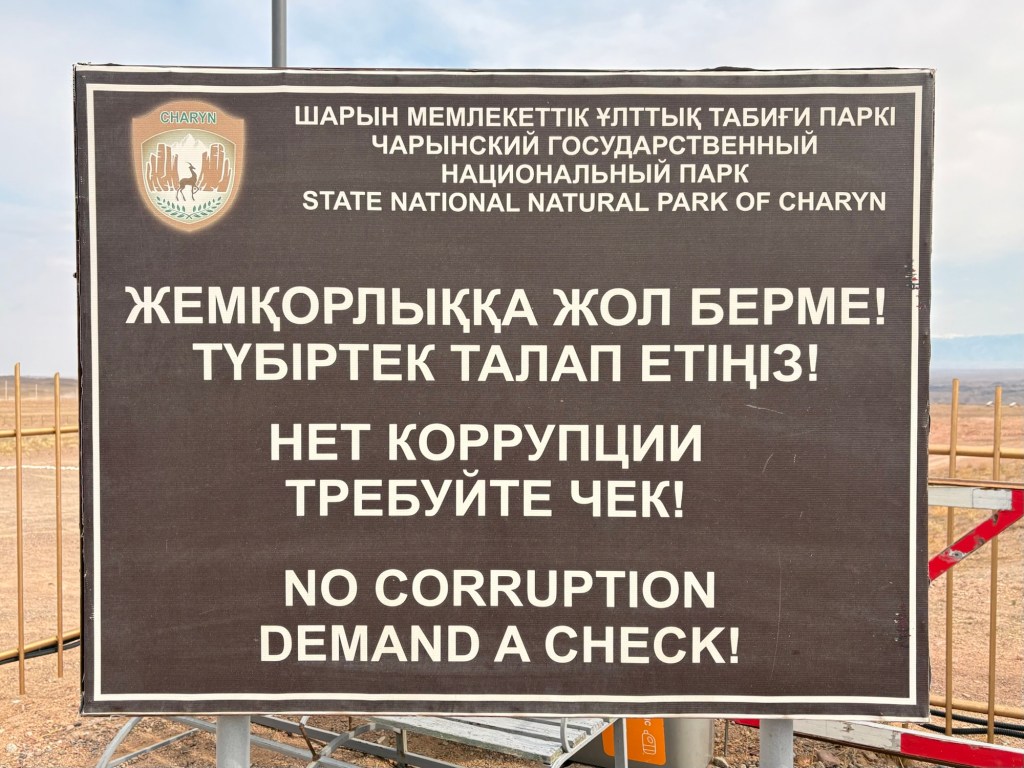
The continuing Russian shadow is no wonder given the long history of Russia’s domination of Central Asia.
Kazakstan became a Russian protectorate in 1731. In the late 1800s, Russia waged war against the ruling khanates and, by the 1890s, had conquered them all. After the Bolshevik Revolution, the region was arbitrarily carved into the five Stans of today and absorbed as Soviet republics. By the early 1930s, Stalin was locating gulags in the Stans, deporting criminal and political prisoners and borderland populations such as Poles and Koreans by the millions. Ultimately dozens of gulags were opened including more than 50 in Kazhastan alone.
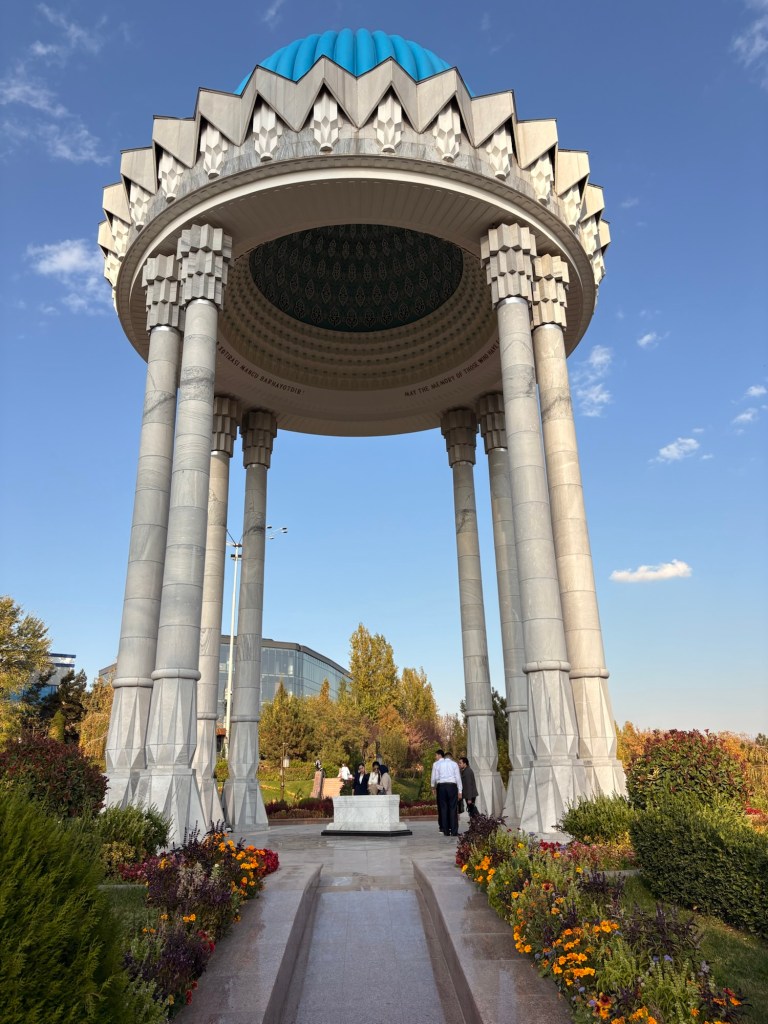
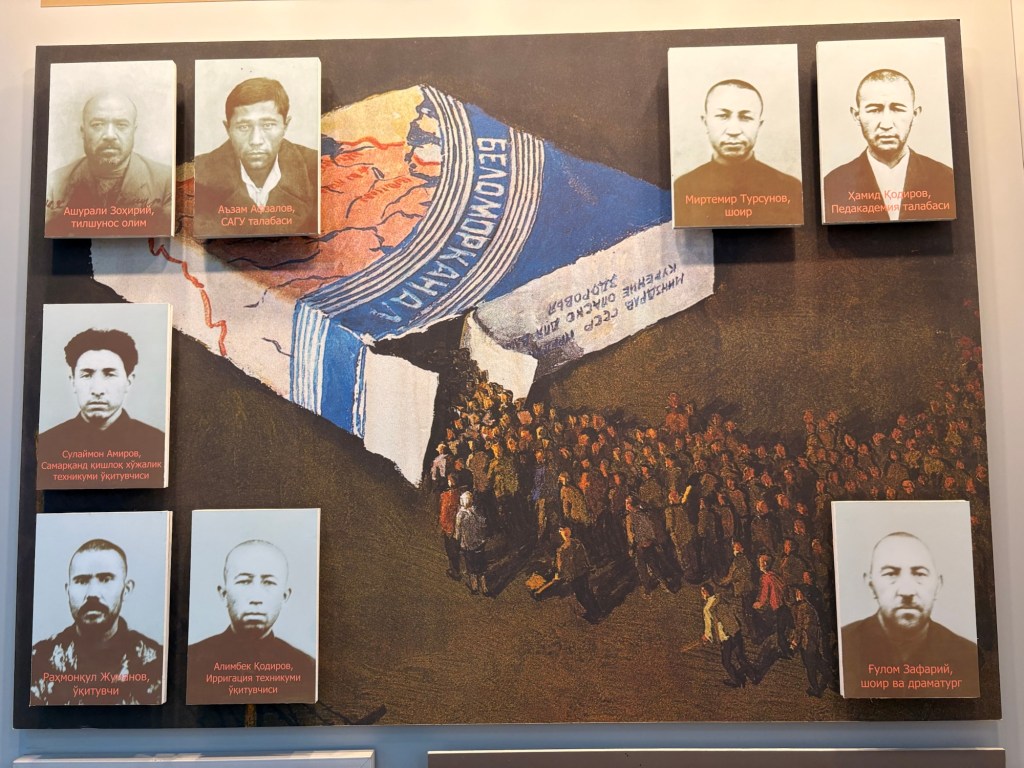
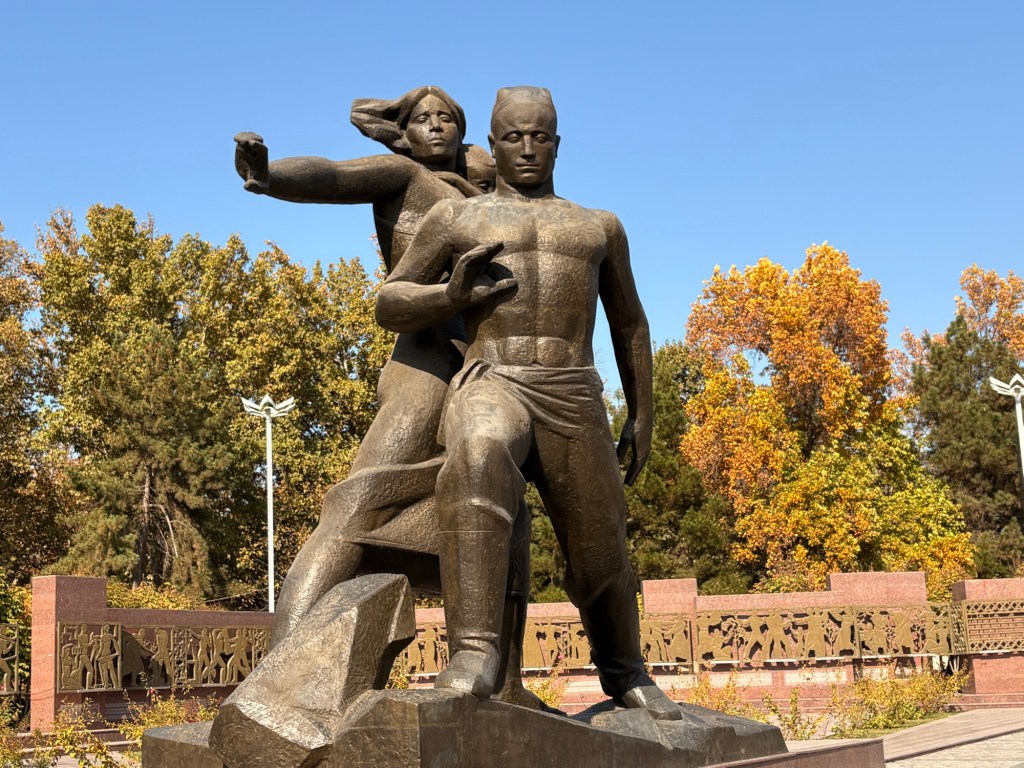
Stalin also conscripted as many as 5 million Central Asian men into the Red Army during WWII. Citizens who protested were rounded up and executed or loaded into cattle cars and shipped to Siberia to starve and freeze.
Russia still exerts economic and political pressure on its former republics. When the country invaded Ukraine, the Kremlin made it clear to Central Asian governments they were expected to remain neutral and uncritical, to recognize breakaway territories like Donetsk and Luhansk and to turn over military draft dodgers or deserters who fled there.
There has been some uncharacteristic resistance. No Stan has recognized the annexed territories, openly supported the war or returned military avoiders. Punitive sanctions and threats that countries who do not behave as “friends” could “face the same consequences as Ukraine” have not yet produced compliance.
Perhaps this is why our guides and other locals became uneasy whenever we asked what they thought of the war (which we couldn’t resist doing everywhere). “We’re neutral,” they would insist.
Central Asians can’t be complacent about their northern neighbor. If the US is the 800-pound gorilla in Canada’s living room, Russia is Central Asia’s. The gulags are gone, but the bear never sleeps.
Your Questions Answered
Personamysteriously asked: Did you feel the culture in each of the Stan’s was that distinct?
We did. We aren’t familiar enough with the ethnicities to identify people’s ancestry by physical characteristics, but locals can do it in a heartbeat. Traditional dress is worn on the streets to some degree in every Stan, but it differs in color and style. Tajik national dress, for example, is full of glitter and rhinestones, but Uzbek national dress is plain. Even the way the women tie their decorative head scarves differs.
There are also governmental and cultural differences from Stan to Stan. Kazakhstan appears to be the most open, Turkmenistan the most closed, Uzbekistan the most tourism-driven and Tajikistan the most overtly religious (by far). Kyrghistan is the most chaotic in their city planning (planning? what planning?) and infrastructure development but also the most outdoorsy.
It would take more than a month to become able to spot all but the most obvious differences, but it only took visiting all five to learn that Central Asia is no homogeneous blob. The countries are as different from one another as Bolivia is from Ecuador is from Mexico — peoples with a shared religion and much common history but also their own ways.
COMING SOON! Marriage, Stans Style


Good information! Thank you. I enjoyed traveling vicariously!
LikeLike