Day 175 – cruising the Inside Passage – find Insignia on CruiseMapper
As we mentioned a couple Partouts ago, our 5,500-mile route through the Pacific Theater made for a floating WWII history class and generated one humbling “Who knew?!” moment after another.
In Part 1 of War in the Pacific, we reported on our visits to war sites in the southern portion of the Theater. In Part 2, we complete our report with reports from the northern portion.
Hiroshima and Tokyo
The devastation of central Hiroshima and Tokyo by US bombing in the final months of WWII still shapes the cities but in different ways.
In Hiroshima, “the Dome” stands at the riverfront, the only surviving building from the atomic bomb dropped on the city August 6, 1945. An iconic exhibition hall before the bombing but now a mere skeleton, the Dome is the city’s haunting memorial and centerpiece of Hiroshima Peace Memorial Park, attracting more than a million visitors a year to reflect on the horrors of atomic war and the importance of peace.

In Tokyo, where 40% of the city was flattened by one of the most destructive bombing campaigns in history, there is no equivalent survivor. In its place, the astounding neon skyline soars as a thriving, throbbing monument to rebirth.
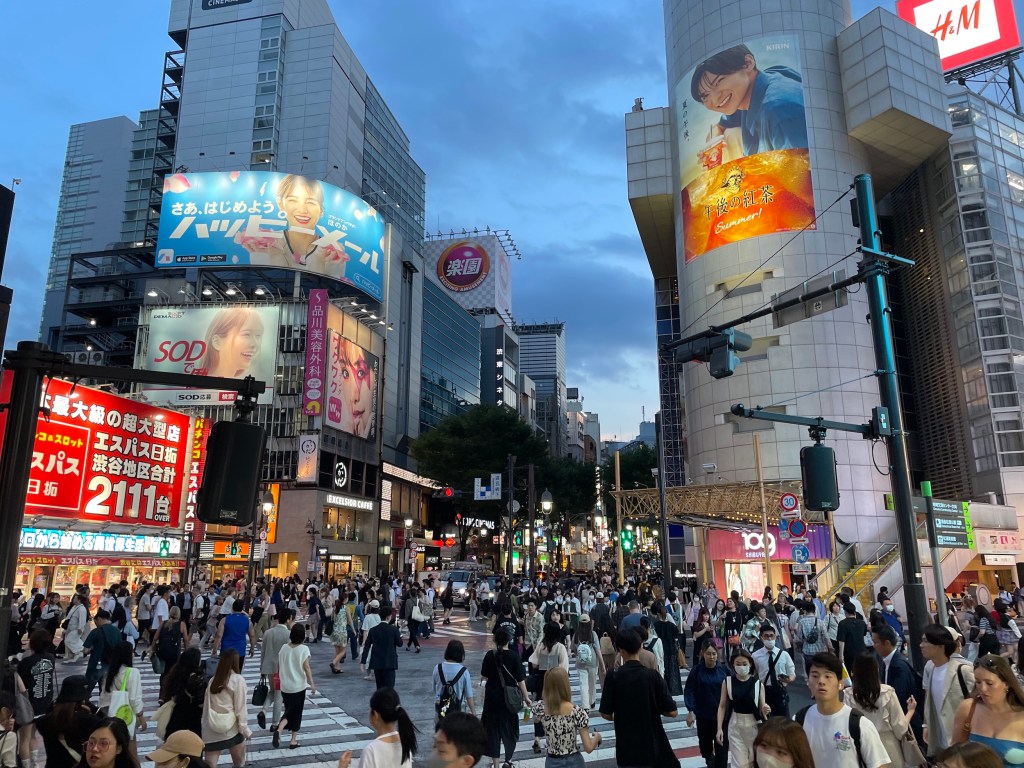
Differing narratives about the war can be found in the two cities as well.
Near the Dome, the Hiroshima Peace Memorial Hall for the Atomic Bomb Victims is dedicated to “mourning the lives lost in the atomic bombing” and contemplating peace. As in Okinawa and the American cemetery in Manila, visitors to the memorial can search a multilingual database to find individual victims, read their names on a memorial wall and even see photos of them. The dead are invoked to help spread the message, “No more Hiroshimas.” The message is international and pro-peace.

Since the mid-1800s in Tokyo, Japan’s war dead are memorialized at Yasukuni Jinja, an impressive Shinto shrine that also celebrates the country’s military leaders, including convicted war criminals from WWII.

The shrine’s next-door Yushukini Museum glorifies the Japan’s military and honors the sacrifice given by its troops, including its suicide bombers and submariners. Signage in the Yushukini portrays WWII in a positive light in which Japan was a victim of Western aggression and imperialism and acted in self-defense. The attack on Pearl Harbor is characterized as a defensive “raid.” The occupation of northeastern China known as “the rape of Nanking” in the West is “the Manchurian incident” or “the China incident.” The message is nationalist and pro-military.
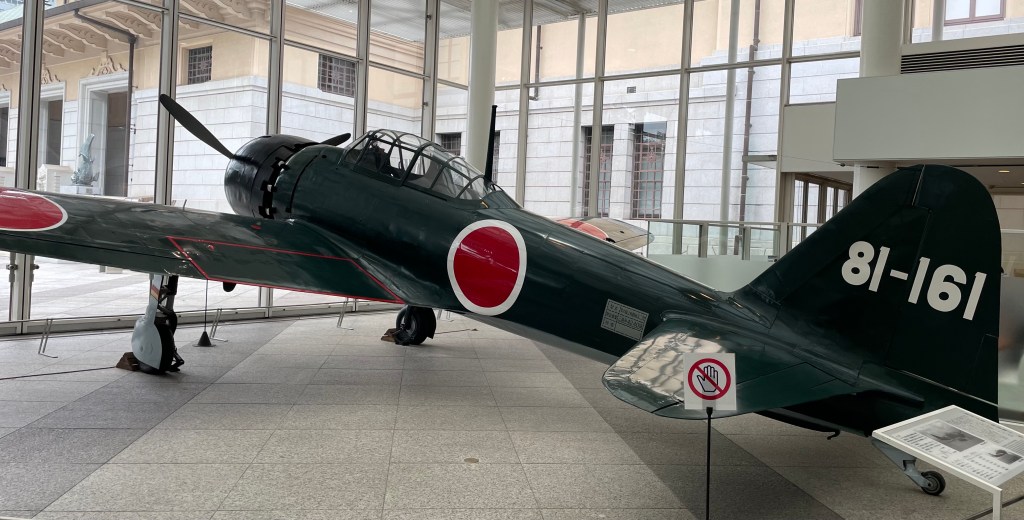
Though the Yushukini museum is considered controversial, the story it presents is not uncommon in Japan. The tour guide with us at the Manila American Cemetery and Memorial in the Philippines said he routinely leads groups of Japanese tourists who say they do not learn in school about Japan’s aggression or treatment of other Asians during the war. Guides on all but one of the tours we took in Japan were unable or uncomfortable answering questions about the war even as we toured war sites. Meanwhile, China, Korea and the Philippines have been waiting nearly 80 years for official apologies from Japan like the ones Germany began making to its war victims within 10 years of the war’s end.
Dutch Harbor
Our last visit to the Pacific Theater was at Dutch Harbor on Amaknak Island, our first landfall back in the USA. There, the small but impressive Aleutian World War II National Historic Area preserves the story of what is sometimes called a “sideshow” of war in the Pacific.

Six months after attacking Pearl Harbor, Japan bombed US military installations in Dutch Harbor and occupied the Aleutian islands of Attu and Kiska, additional historical facts that were complete news to your clueless reporters. It turns out the Aleutians were considered strategically important as a defensive perimeter by both the Japanese and Americans, a distinction for which the islands paid a very high price.
After the initial attack, troops on both sides hunkered down to mostly battle some of the world’s most severe weather rather than each other for the next two years. Military engagements were rare and fleeting but still managed to kill about 550 US troops directly or indirectly and 2,000-3,000 Japanese troops. The dead included all but 28 of the 1,400 Japanese soldiers who occupied Attu the day before the US retook the island in the only ground battle fought on American soil.
Civilian casualties of the Aleutian theater included 881 Aleuts who were forcibly evacuated from their island homes by the Americans and interred in squalid camps in southeast Alaska and 42 Aleuts plus two Navy weather observers taken prisoner by the Japanese on Kiska and sent to a POW camp in Hokkaido, Japan.
Neither group fared well in the following years. Internees and POWs alike received inadequate food, housing and medical care. Many died, including elders who were the carriers of the 9000-year-old Umnak culture. Considered a “forgotten war,” the Aleutian campaign is far from forgotten among the descendants of the people who lost their communities, artifacts and history.
Educational as it was, touring the Pacific Theater of WWII did not produce any great epiphanies other than, win or lose, war is costly beyond measure and leaves wounds that do not quickly heal.

Another Question Answered
David asked, “Is the state of the nation ever evoked by your American friends? Or are politics studiously avoided in your many conversations?”
Louis and Doris have marveled almost daily at how dramatically conversation on the cruise differs from conversation at home. For the most part, politics are never discussed. Among intimates who have identified themselves as birds of a feather, some conversation may take place privately but, even then, not much. The most common political comments are disparaging remarks about taxation or government overreach/workers, and these come as often from Canadians (typically Albertans) as from Yanks.
Also rarely discussed: work. We can pry information out of people about what they did in their professional lives, but it is almost never volunteered.
“Organ recitals” about ailing body parts are also relatively rare. There seems to be an unspoken recognition that, on a ship with an average age of 72, virtually everyone has something going wrong with their bodies, and there are much better things to discuss than what these are.
What fills the hole left. by these topics, you might wonder? Travel and discovery, of course! A shipload of people who have chosen spend huge chunks of time and money circling the globe is a shipload of people who are avidly interested in destinations, world geography, history, travel hacks and all other things related. Very distant also-rans are family and home (where we come from, what it’s like there, etc.).
Where’s Snowy?
Besides hiding out in the visitor center of the Aleutian Islands WWII National Monument in Dutch Harbor, Alaska.


 Partout with Louis & Doris